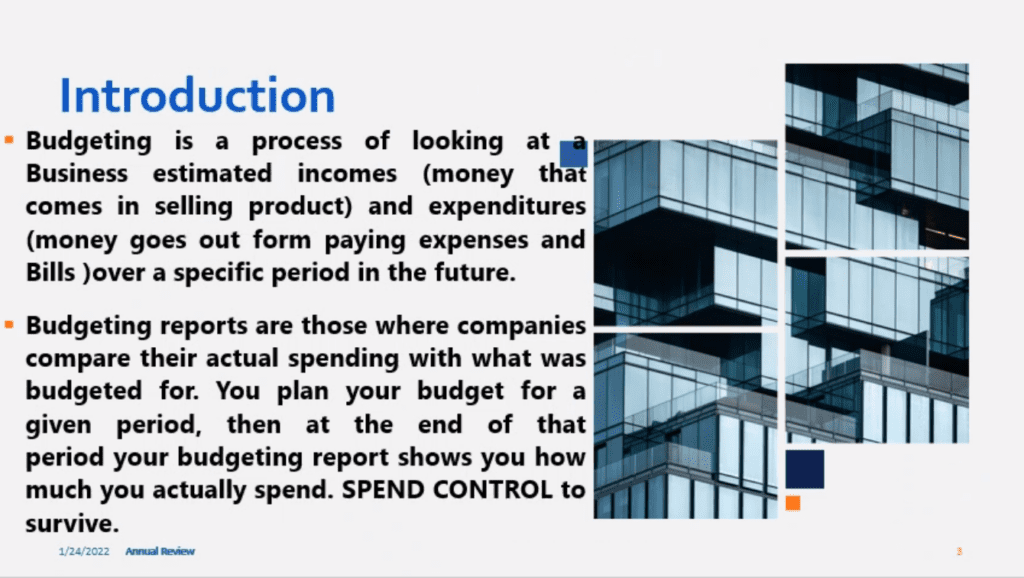
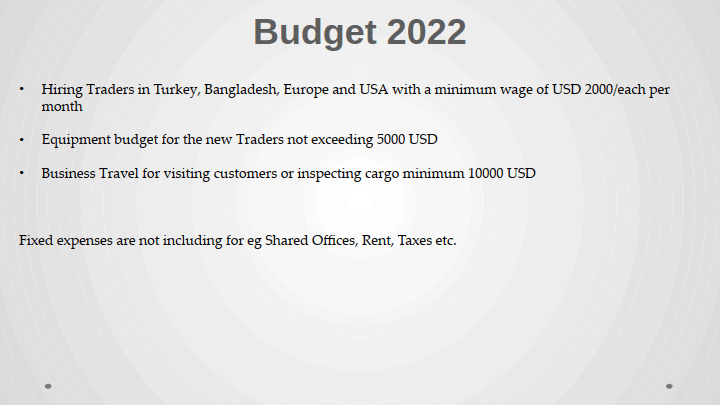
Budget-Based Management is an internal financial planning and control method within an organization. This approach emphasizes that the budget plays a central guiding and controlling role in determining the allocation, expenditure, and cost control of financial resources. Budget-based management is more than a simple financial plan, it also includes a comprehensive consideration of the organization’s strategic goals and operational efficiency.
Here are some key elements of budget-based management:
Budgetary planning
- Goal Setting: Determine the strategic goals and specific financial goals of the organization.
- Resource Allocation: Allocate resources based on priority and expected results.
- Cost Estimation: Make forecasts and estimates of expenditures for future periods.
- Revenue Forecasting: Evaluate and plan revenue for future periods.
Budget execution
- Fund Management: Carry out daily fund allocation and management according to the budget.
- Cost Control: Monitor actual expenditures to ensure budgets are not exceeded.
- Performance Monitoring: Evaluate actual performance compared to budgeted targets.
Budget adjustment
- Analyze variances: Compare budget and actual results and analyze the reasons for variances.
- Adjust budget: Make budget adjustments based on actual operating conditions and market changes.
Reporting and Analysis
- Periodic Reports: Produce financial reports on a regular basis to demonstrate budget execution.
- Performance Analysis: Actual performance on costs and revenue is analyzed to assess organizational effectiveness.
keep improve
- Feedback Loop: Use learning and feedback from the budget execution process to improve future budgeting.
- Strategic Alignment: Adjust budget strategies based on long-term goals and market changes.
Budget-based management requires organizational leaders and managers to have good financial planning skills, a deep understanding of the organization’s operations, and the ability to quickly adapt to changes. Additionally, effective communication and teamwork are important factors in achieving budget goals.
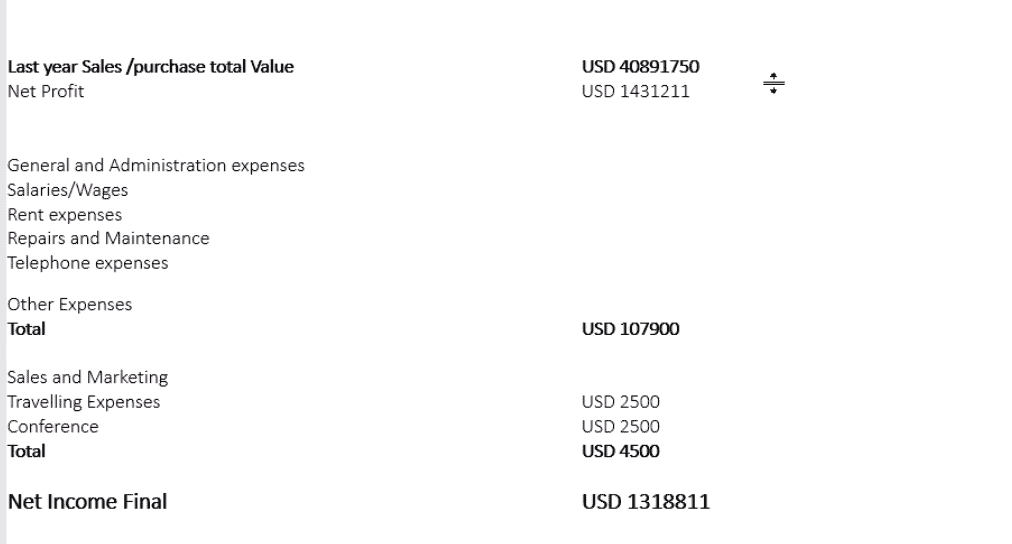
Preparing a budget based on previous years’ financial performance is a common budgeting method, also known as incremental budgeting. This method uses the existing budget as a basis and adjusts the budget for the coming year, usually taking into account factors such as inflation, market changes, business growth or contraction, etc.
Here are the steps for preparing a budget based on previous years’ financial performance:
1. Collect historical data
Analyze historical financial statements, including income statements, balance sheets, and cash flow statements, as well as historical budget execution to understand actual performance of revenues, costs, and expenses.
2. Consider external factors
Evaluate external factors affecting the business, such as market trends, economic conditions, competitive environment, changes in laws and regulations, etc.
3. Adjust historical data
Historical data are adjusted based on inflation rates, cost changes, expected sales growth and other factors to reflect expected economic conditions.
4. Analyze differences
Compare historical budgets with actual results to analyze the reasons for differences so you can make more accurate forecasts in new budgets.
5. Set budget goals
Determine budget goals in conjunction with the organization’s strategic goals and management’s business goals.
6. Prepare a new budget
Prepare a new budget based on adjusted historical data and budget targets. Typically, this involves assessing and summarizing the financial needs of various departments or projects.
7. Ask for feedback
Present the draft budget to department heads and key stakeholders to solicit their feedback and suggestions.
8. Review and Approval
The draft budget is reviewed, adjusted if necessary, and finally approved by management or the board of directors.
9. Implementation and Monitoring
Execute budget and regularly monitor financial performance, compare with budget, and adjust operations in a timely manner to ensure the achievement of budget goals.
10. Continuous improvement
Continuously optimize the budget preparation process and financial management practices based on findings and changes in budget execution.
The main advantages of using previous years’ financial performance as the basis for budgeting are simplicity and continuity, and ease of understanding and implementation. However, this approach can lead to some problems. For example, it may not incentivize cost savings, easily lead to inertia in resource allocation, and may overlook potential efficiency improvement opportunities. Therefore, organizations may also need to incorporate other budgeting methods such as Zero-Based Budgeting and Rolling Budgets to overcome these limitations.
基于预算的管理(Budget-Based Management)是一种组织内部的财务规划和控制方法。这种方法强调在确定财务资源的分配、支出和成本控制方面,预算起到了核心的指导和控制作用。基于预算的管理不仅仅是一个简单的财务计划,它还包括了对组织的战略目标和运营效率的全面考虑。
以下是基于预算的管理的一些关键要素:
### 预算编制- **目标设定:** 确定组织的战略目标和具体的财务目标。- **资源分配:** 根据优先级和预期成果对资源进行分配。- **成本估计:** 对未来期间的支出进行预测和估计。- **收入预测:** 评估和计划未来期间的收入。
### 预算执行- **资金管理:** 根据预算进行日常的资金支配和管理。- **成本控制:** 监控实际支出,确保不超出预算。- **绩效监控:** 评估与预算目标相比的实际绩效。
### 预算调整- **分析差异:** 对比预算和实际结果,分析差异的原因。- **调整预算:** 根据实际运营情况和市场变化进行预算的调整。
### 报告与分析- **定期报告:** 定期制作财务报告,展示预算执行情况。- **绩效分析:** 对成本和收入的实际表现进行分析,以评估组织效率。
### 持续改进- **反馈循环:** 利用预算执行过程中的学习和反馈来改进未来的预算编制。- **战略调整:** 根据长期目标和市场变化调整预算策略。
基于预算的管理要求组织的领导者和管理人员具备良好的财务规划能力、对组织运营的深刻理解,以及快速适应变化的能力。此外,有效的沟通和团队合作也是实现预算目标的重要因素。
以往年的财务表现为基础编制预算是一种常见的预算编制方法,也称为增量预算编制(Incremental Budgeting)。这种方法以现有的预算为基础,对来年的预算进行调整,通常考虑通货膨胀、市场变化、业务增长或收缩等因素。
以下是基于以往年财务表现编制预算的步骤:
### 1. 收集历史数据分析历史财务报表,包括利润表、资产负债表和现金流量表,以及历史预算执行情况,了解收入、成本和支出的实际表现。
### 2. 考虑外部因素评估影响业务的外部因素,如市场趋势、经济条件、竞争环境、法律法规变化等。
### 3. 调整历史数据基于通货膨胀率、成本变动、预期销售增长等因素对历史数据进行调整,以反映预期的经济情况。
### 4. 分析差异对比历史预算和实际结果,分析产生差异的原因,以便在新预算中进行更准确的预测。
### 5. 设置预算目标结合组织的战略目标和管理层的业务目标,确定预算目标。
### 6. 编制新预算基于调整后的历史数据和预算目标,编制新的预算。通常,这涉及到对各个部门或项目的财务需求进行评估和汇总。
### 7. 征求反馈向各部门负责人和关键利益相关者呈现预算草案,征求他们的反馈和建议。
### 8. 审核与批准对预算草案进行审核,必要时进行调整,最后由管理层或董事会批准。
### 9. 实施与监控执行预算并定期监控财务表现,与预算对比,及时调整操作以确保预算目标的实现。
### 10. 持续改进根据预算执行中的发现和变化,不断优化预算编制过程和财务管理实践。
使用以往年财务表现作为编制预算的基础的主要优点是简单和连续性,易于理解和实施。然而,这种方法可能导致一些问题,比如它可能不会激励成本节约,容易导致资源分配上的惯性,可能忽视了潜在的效率提升机会。因此,组织可能还需要结合零基预算(Zero-Based Budgeting)、滚动预算(Rolling Budgets)等其他预算方法来克服这些局限性。